July 22, 2026
When you seek a healthier smile, local orthodontists play a crucial role in providing dedicated care that greatly enhances your quality of life. Unlike general dentists who focus on overall oral health, these experts concentrate on aligning teeth and jaws to improve function and aesthetics. Finding the right fit for your family means looking closely at the care options in your community. Whether you face minor crowding or severe overbites, understanding the unique skills and services offered by these professionals is an essential step for comprehensive dental care.
Understanding the True Role of Dental Professionals
It is essential to understand the distinct roles of dental professionals to appreciate the care local orthodontists provide. General dentists offer preventative care and basic treatments – like fillings and cleanings – that maintain oral health. In contrast, professionals focused on orthodontics create comprehensive treatment plans for correcting bite issues, overcrowding, and spacing. According to Consumer Affairs, 52% of general dentists provide orthodontic treatment in their offices. However, tooth movement complexities often necessitate a professional dedicated exclusively to this field. Collaborating frequently, general dentists and orthodontists ensure your complete oral health is addressed to achieve functional and aesthetic goals.
Differentiating Orthodontics From General Dentistry
The differences in treatment outcomes are notable given the focused practice areas of local orthodontists. These professionals utilize an array of tools to shift teeth into optimal positions. While a general dentist might offer basic aligner services, an exclusive braces orthodontist is often better equipped to handle complex cases due to extensive background knowledge. This focused expertise ensures patients receive precise treatments tailored to their unique dental structure, leading to better health outcomes and confidence. As dental treatments evolve, the role of these dedicated providers remains crucial in offering advanced care for complicated alignment issues.
Completing Advanced Training and Education
The educational journey for local orthodontists is comprehensive, equipping them with the skills needed to manage complex cases. After finishing dental school, these aspiring providers undergo an additional two to three years of exclusive training. This extra instruction focuses on advanced techniques in aligning teeth and jaws, addressing issues that general dentists may not be prepared to handle. The curriculum encompasses the biomechanics of tooth movement and the application of various orthodontic appliances and accessories. This rigorous education ensures they are proficient in diagnosing and treating a wide range of alignment problems.
Supporting Overall Health With Proper Alignment
The benefits of orthodontic care extend far beyond aesthetics, significantly impacting overall well-being. Proper alignment of the teeth and jaws can prevent long-term dental issues such as tooth decay, gum disease, and excessive wear on enamel. When teeth are correctly aligned, they are easier to clean and maintain, supporting the longevity of dental health. Treatment can also alleviate issues such as jaw pain, speech difficulties, and breathing problems, contributing to a better quality of life. This holistic approach underscores the importance of integrating orthodontic care into your daily health regimen.
Dispelling Common Misconceptions About the Field
Despite their extensive education, local orthodontists often face misconceptions about their practice and the treatments they offer. One common myth is that care is purely cosmetic and only suited for those seeking to improve their smiles. However, these treatments address crucial health issues such as jaw alignment and bite correction. Another misunderstanding is that treatments are only for children and teenagers, when in fact, adults also benefit immensely from these services. Addressing these misconceptions helps patients understand the full spectrum of benefits offered, encouraging informed decisions about their long-term health.
Navigating the Referral Process Smoothly
The collaboration between general dentists and local orthodontists is pivotal in ensuring comprehensive patient care, with referrals being a significant component. General dentists often serve as the first line of defense in identifying potential issues that necessitate intervention. During routine check-ups, they may spot signs of misalignment, crowding, or bite problems and refer patients to an exclusive practice. This process ensures patients receive timely and appropriate treatment for their specific needs. Effective communication between these professionals fosters a coordinated approach to managing a patient's complete oral health profile.
Exploring Types of Braces for Patients
Braces have long been an effective treatment for correcting dental misalignments and overbites. With modern advancements, different types of braces are now available to address specific needs and preferences. Traditional metal brackets are the most common, known for their durability and efficiency in treating complex issues. Ceramic options offer a discreet alternative, as they blend seamlessly with natural teeth. Lingual hardware, placed on the backside of teeth, provides an invisible solution that is ideal for those who prioritize aesthetics during their tooth movement journey.
Aligning Teeth With Clear Aligners
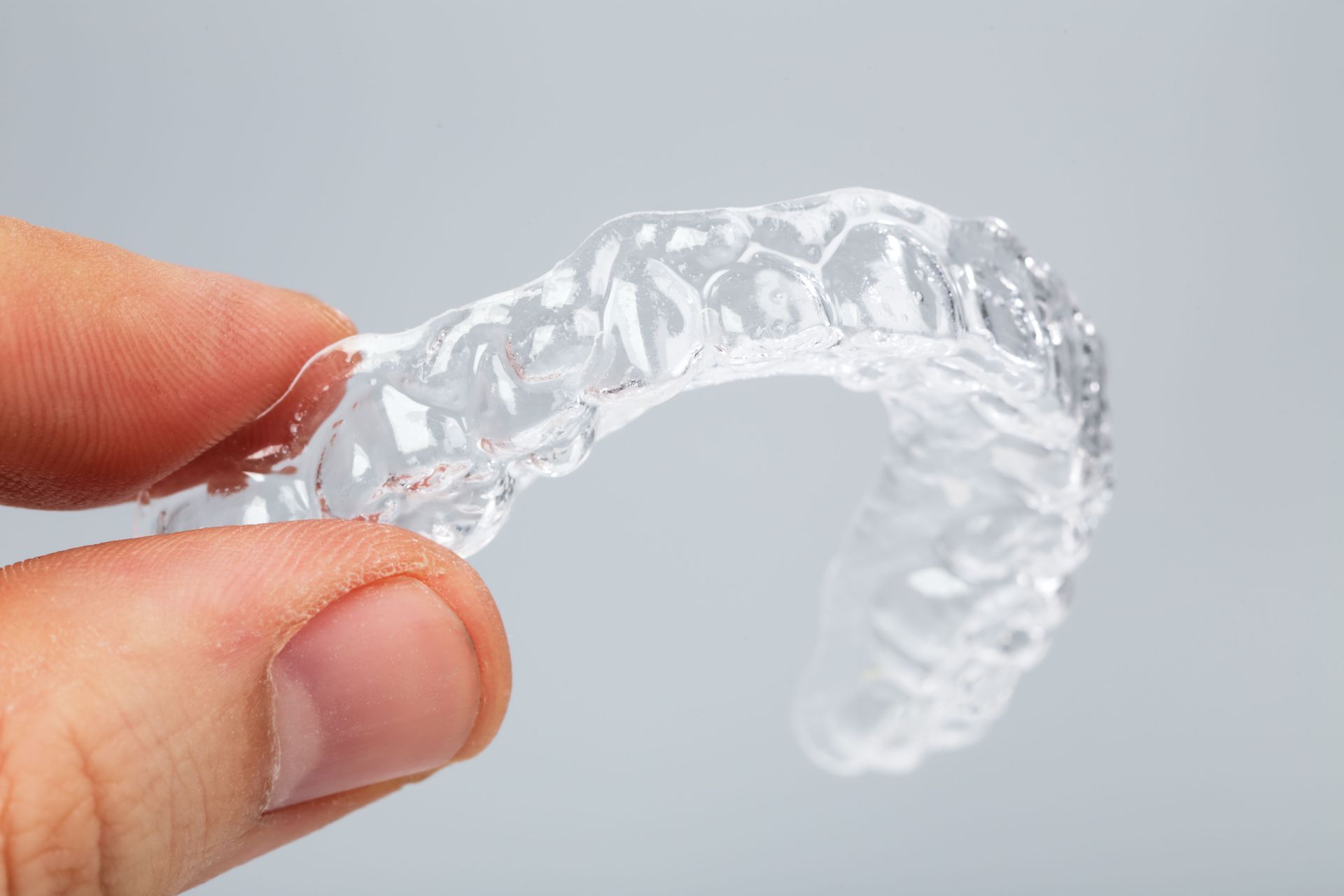
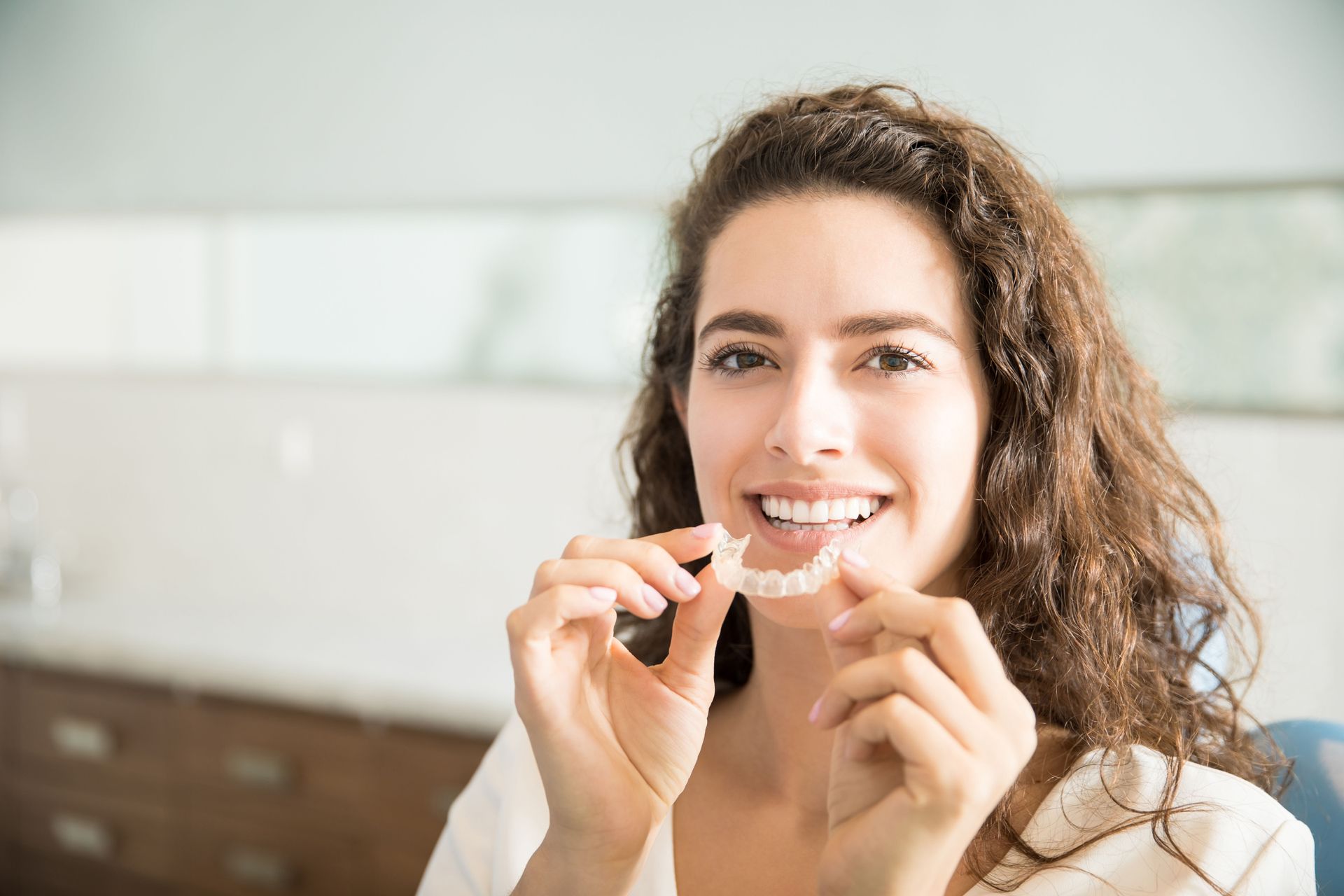
Invisalign and other clear aligners have revolutionized care by offering a nearly invisible method of correcting alignment issues. These aligners are made from a medical-grade material customized to fit snugly over teeth, gently guiding them into the desired position over time. Clear options are popular among adults and teenagers who seek a discreet alternative to traditional hardware. The aligners are removable, providing flexibility for eating and brushing. Before beginning, thorough orthodontic consultations are required to map out the exact movements needed. This innovative approach has expanded the accessibility of treatment.
Maintaining Long-Term Results With Post-Treatment Retainers
Following active treatment, retainers play an essential role in maintaining the successful alignment achieved during the correction phases. These devices are custom-fitted to prevent teeth from shifting back to their original positions – a frustrating process known as relapse. Providers usually recommend wearing retainers immediately after appliances are removed, starting with full-time wear that eventually transitions to nighttime use. The duration and consistency of retainer use are vital in solidifying the results and ensuring the long-term success of the alignment. This retention phase underscores that care continues well after appliances are removed.
Correcting Jaw Irregularities Through Dedicated Care
Surgical orthodontics is a procedure used to correct severe jaw discrepancies that cannot be addressed with basic appliances alone. This surgery is often a collaborative effort between an orthodontist and an oral surgeon. It addresses improper bites, jawbone abnormalities, and severe facial asymmetries, which affect everyday functions like eating. To complement the surgical aspects, providers implement comprehensive orthodontics, bite, and alignment services to ensure teeth fit together properly once the jaw is repositioned. It is a transformative procedure that improves functionality and aesthetics for patients with significant irregularities.
Embracing New Technological Advancements
The field has advanced significantly by incorporating new technologies that enhance both the efficiency and effectiveness of treatments. Digital imaging and three-dimensional modeling have revolutionized diagnosis and treatment planning, allowing for precise assessments. These tools enable local orthodontists to create detailed visualizations of outcomes, ensuring both the patient and practitioner have a clear understanding of projected results. Technologies such as intraoral scanners provide accurate impressions without the discomfort associated with traditional molds. This precision enhances the patient experience and treatment satisfaction, marking a significant shift in modern practices.
Transforming Facial Aesthetics and Structure
Treatments extend beyond improving dental alignment – they play a significant role in transforming a patient's overall facial structure. As teeth and jaws are properly aligned, the soft tissues of the face adjust accordingly, resulting in a more balanced and harmonious appearance. Correcting an underbite or overbite can alter the profile, enhancing facial symmetry and proportion. These aesthetic improvements can have a profound impact on an individual's self-esteem and confidence. The careful planning and execution of these treatments highlight the profound connection between dental alignment and facial aesthetics.
Choosing the right team for your smile journey is a significant decision that impacts your long-term health and confidence. We encourage you to reach out and discover how our focused approach can make a difference in your life. If you are searching for local orthodontists who prioritize patient comfort and precision, we are here to help you achieve the smile you have always wanted. For tailored care and expert guidance, schedule your visit with us at Poole Orthodontics today to begin your transformation.