October 21, 2026
A well-aligned smile can make everyday activities more comfortable while supporting good oral health. However, orthodontic concerns vary from person to person. Some individuals have crowded teeth, while others experience unwanted gaps, uneven tooth positions, or bite problems that affect how their upper and lower teeth meet. Identifying these concerns is an important first step toward choosing an appropriate treatment.
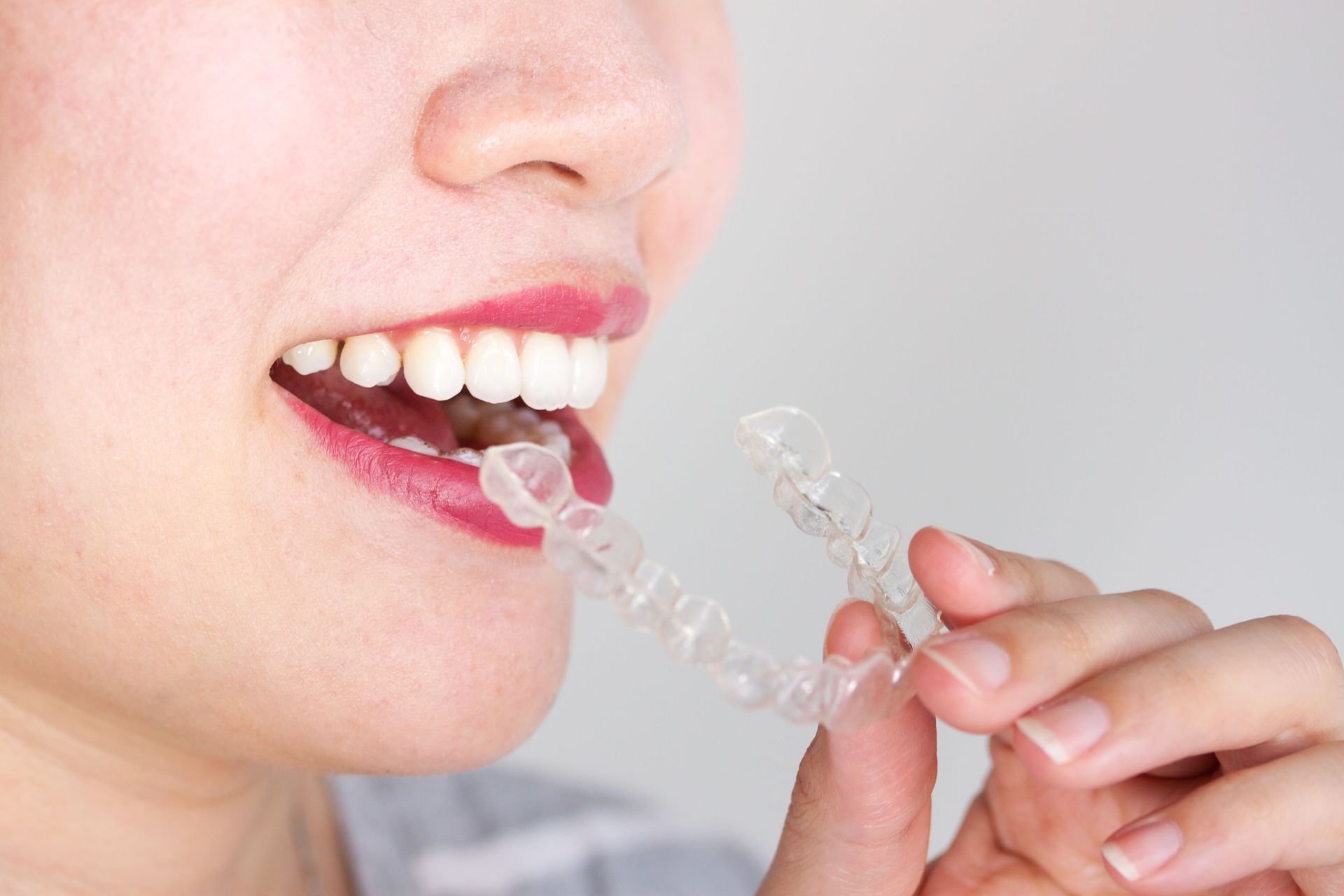
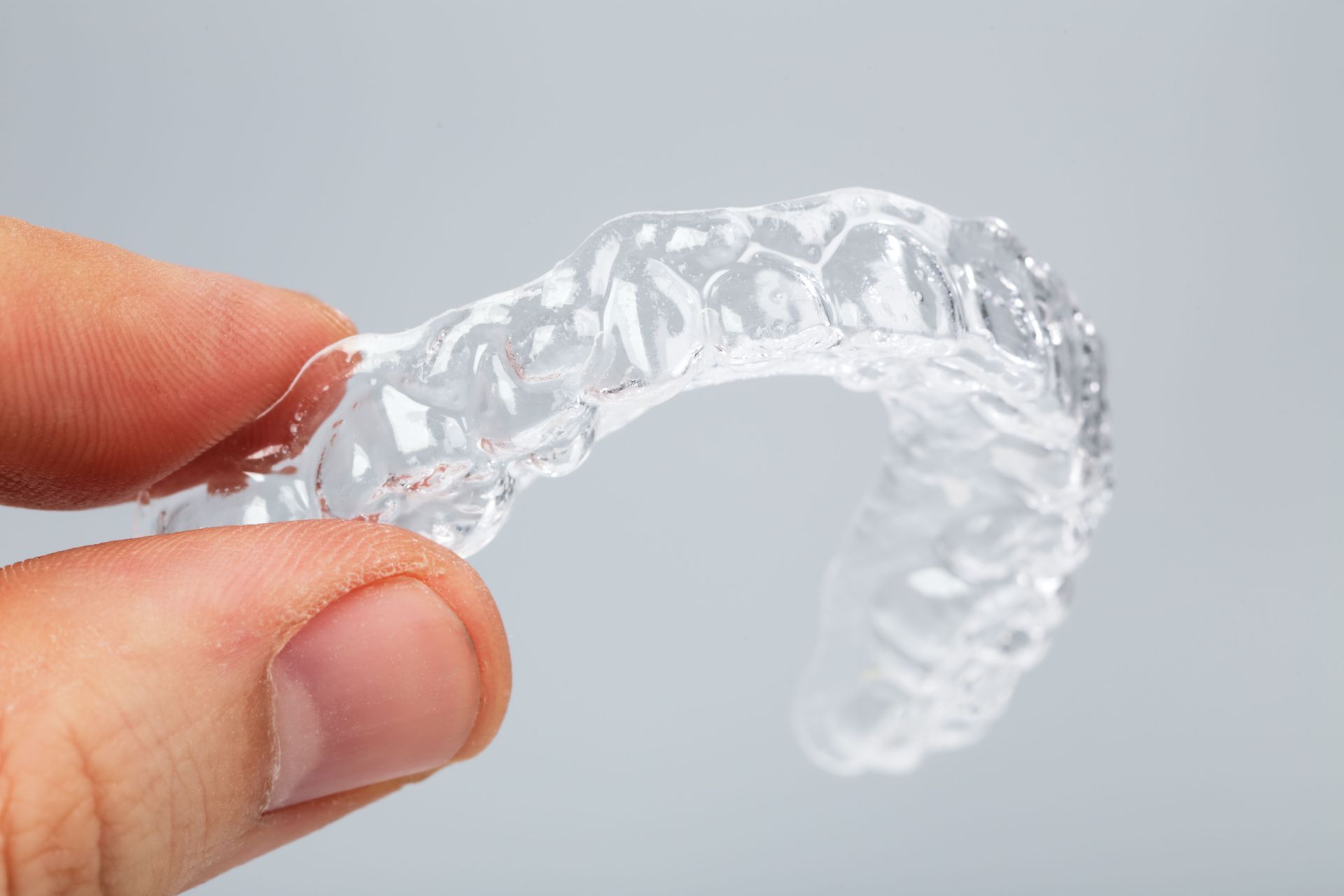
Invisalign services offer a discreet alternative to traditional braces by using removable, custom-made clear aligners to gradually reposition teeth. Although the aligners share a similar appearance, each treatment plan is designed around the patient's specific orthodontic needs. Understanding how this approach addresses different alignment concerns can help patients determine whether clear aligner therapy may be suitable for their smiles.
Correcting Crowding and Spacing With Customized Aligners
Addressing Overlapping and Crowded Teeth
Dental crowding occurs when there is insufficient space for teeth to align properly within the dental arches. As a result, teeth may overlap, rotate, or become displaced from their ideal positions. Crowding can affect the appearance of a smile and make brushing and flossing more difficult because overlapping surfaces create areas that are harder to clean thoroughly.
Invisalign services address appropriate cases of crowding through a planned sequence of aligners that applies controlled pressure to selected teeth. Each tray is designed to encourage specific movements, gradually guiding teeth toward better alignment. Depending on the severity of the crowding and the available space, treatment may involve several stages of movement rather than attempting to reposition every tooth simultaneously. An orthodontist evaluates the patient's dental arches, tooth positions, and overall bite before determining whether clear aligners can achieve the intended results.
Closing Unwanted Gaps Between Teeth
Spacing issues develop when gaps appear between teeth, sometimes because of differences between tooth size and available jaw space. These spaces may affect the appearance of a smile, particularly when they occur between the front teeth. In other cases, gaps can allow food to become trapped during meals, creating additional reasons for patients to seek orthodontic evaluation.
Custom aligners can gradually bring appropriately positioned teeth closer together, reducing excessive spacing according to an individualized treatment plan. The orthodontist determines which teeth need to move, how much movement is appropriate, and how the resulting alignment should fit within the dental arches. Invisalign services can therefore provide a practical option for many patients with mild to moderate spacing concerns. However, the cause of the gaps matters. Missing teeth, unusually small teeth, or certain tissue-related concerns may require additional evaluation or treatment beyond orthodontic movement alone.
Improving Tooth Position and Alignment
Individual teeth may sit at unusual angles or rotate away from their intended positions even when significant crowding or spacing is not present. These irregularities can create an uneven smile and affect how neighboring teeth contact one another. Correcting them requires careful planning because moving one tooth can influence the available space and positioning of surrounding teeth.
Clear aligner treatment uses a series of trays to guide specific teeth through planned movements. An orthodontist assesses the direction and extent of each required adjustment before establishing the sequence of aligners. According to the National Library of Medicine, Invisalign services successfully corrected malocclusion in approximately 88% of cases, indicating its potential effectiveness for many alignment concerns. Individual outcomes still depend on the nature of the problem, the treatment plan, and the patient's adherence to the prescribed schedule.
Improving Bite Alignment and Tooth Function
Addressing Overbites and Underbites
Bite problems occur when the upper and lower teeth do not meet in an appropriate relationship. An overbite involves vertical overlap of the upper front teeth over the lower front teeth, while an underbite occurs when the lower front teeth sit ahead of the upper front teeth. Although some overlap is normal, excessive discrepancies can affect dental function and may contribute to uneven tooth wear or difficulties biting into certain foods.
Invisalign services may help correct selected overbite and underbite cases by coordinating tooth movements to improve the relationship between the dental arches. Treatment planning considers the positions of individual teeth, the way the jaws relate to each other, and the amount of correction needed. Some cases may also require attachments or other orthodontic techniques to help guide difficult movements. More severe bite discrepancies involving substantial jaw-position differences may not be suitable for aligners alone. An orthodontist can determine whether clear aligners are appropriate or whether another approach would provide a more predictable result.
Correcting Crossbites and Uneven Tooth Contacts
A crossbite occurs when one or more upper teeth sit inside the corresponding lower teeth instead of outside them as expected. This relationship can occur toward the front or back of the mouth and may affect individual teeth or several teeth across an arch. When left unaddressed, certain crossbites can contribute to uneven wear or an unbalanced distribution of biting forces.
Clear aligners can help correct some crossbites by moving selected teeth into a more appropriate relationship with their opposing teeth. The treatment plan must account for the location of the crossbite, the amount of movement required, and whether the underlying jaw structure contributes to the problem. Some patients may need additional orthodontic appliances or alternative treatment methods to achieve suitable alignment. Careful monitoring allows the orthodontist to assess changes in tooth contacts and determine whether the correction is progressing as planned. The objective is not simply to improve the appearance of the smile but also to establish a functional bite that supports everyday activities.
Personalizing Treatment for Predictable Results
Developing an Individualized Treatment Plan
Effective orthodontic care begins with an assessment of each patient's dental health, alignment concerns, and treatment goals. During an initial consultation, the orthodontist examines the teeth and bite, reviews relevant dental history, and determines whether clear aligners are an appropriate option. Digital scans can provide a detailed three-dimensional model of the teeth, helping the orthodontist plan the intended movements and design a sequence of custom aligners.
Invisalign services use this individualized planning process to address the specific positions and movements involved in each case. Patients may receive a preview of the proposed tooth movements, although the projected outcome is a treatment estimate rather than a guarantee. The orthodontist also considers whether additional procedures, attachments, or refinements may be needed. Establishing a clear plan before treatment begins helps patients understand the anticipated process, expected responsibilities, and factors that could influence the overall timeline.
Monitoring Progress and Refining Results
Orthodontic treatment requires ongoing supervision, even when the aligners are designed according to a detailed plan. Periodic checkups allow the orthodontist to confirm that teeth are responding as expected, evaluate the bite, and identify any concerns that could affect progress. If certain teeth are not tracking with the aligners as intended, the treatment plan may need to be adjusted.
Some patients require refinement aligners near the end of their initial series to address remaining alignment concerns. These additional trays can help fine-tune tooth positions and improve the final result. Once active treatment is complete, retainers are generally recommended to help maintain the corrected alignment and reduce the risk of teeth shifting back toward their previous positions. Patients should follow their orthodontist's retention instructions because long-term stability depends partly on consistent retainer use.
Orthodontic concerns range from crowded teeth and unwanted gaps to more complicated bite discrepancies, and each requires an individualized approach. Invisalign services can address many of these issues through custom-made aligners that gradually guide teeth into improved positions. However, treatment suitability depends on the specific diagnosis, the complexity of the required movements, and the patient's commitment to wearing the aligners as directed.
Contact Poole Orthodontics today to schedule a consultation and learn whether Invisalign is the right solution for your smile.