October 22, 2026
Orthodontic treatment is no longer something adults associate exclusively with adolescence. More people are exploring ways to improve their smiles, address longstanding alignment concerns, and support their oral health. Advances in treatment options have also made orthodontic care more appealing to adults balancing careers, families, and busy schedules. As a result, local orthodontists are seeing growing interest from patients who previously believed they had missed their opportunity for treatment.
According to the American Association of Orthodontists' 2025 patient census, approximately 1.91 million American adults received orthodontic treatment from AAO members, compared with 1.64 million in 2022. This increase reflects greater participation among adults seeking professional care. Several practical, personal, and technological factors help explain why orthodontic treatment is attracting more attention later in life.
Improving Confidence in Their Smiles
Addressing Longstanding Alignment Concerns
Many adults have lived with crooked or crowded teeth since childhood. Some never received orthodontic treatment, while others experienced changes after earlier treatment. Revisiting these concerns can become a priority when patients feel ready to pursue improvements that were previously postponed.
Feeling More Comfortable in Photographs
Photographs capture important professional and personal moments. Adults who feel self-conscious about their teeth may become more interested in orthodontic treatment before weddings, celebrations, or other milestones. The motivation often comes from wanting to smile naturally rather than feeling obligated to hide their teeth.
Supporting Professional Self-Confidence
Workplace interactions frequently involve presentations, meetings, and conversations. Although appearance does not determine professional ability, some adults feel more confident when they are comfortable with their smiles. Local orthodontists can discuss realistic treatment possibilities without suggesting that everyone needs perfectly straight teeth.
Making Personal Wellness a Priority
Adults often reconsider their personal goals as circumstances change. Orthodontic care may become part of a broader interest in health and self-care. Choosing treatment can represent an opportunity to address something personally meaningful rather than responding to outside expectations.
Improving Long-Term Oral Health
Addressing Crowded Teeth
Overlapping teeth can create areas that are difficult to clean thoroughly. Depending on the individual, correcting crowding may improve access for brushing and flossing. Orthodontic treatment does not replace routine dental care, but it can address alignment concerns that complicate daily hygiene.
Addressing Bite Irregularities
Overbites, underbites, crossbites, and other bite relationships can influence how teeth meet. Some conditions affect chewing or contribute to uneven contact between teeth. Professional evaluation helps determine whether an irregularity requires treatment and which approach may be appropriate.
Addressing Unwanted Tooth Movement
Teeth can shift throughout adulthood, particularly following tooth loss or inconsistent retainer use. Changes may gradually affect spacing and alignment. Local orthodontists evaluate these developments and explain whether treatment could help manage the resulting concerns.
Addressing Individual Dental Needs
Adult patients sometimes have crowns, bridges, implants, or previous dental work. These circumstances require careful treatment planning and coordination with general dentists when appropriate. An individualized assessment helps identify realistic objectives while considering existing restorations and periodontal health.
Exploring More Discreet Treatment Options
Considering Clear Aligners
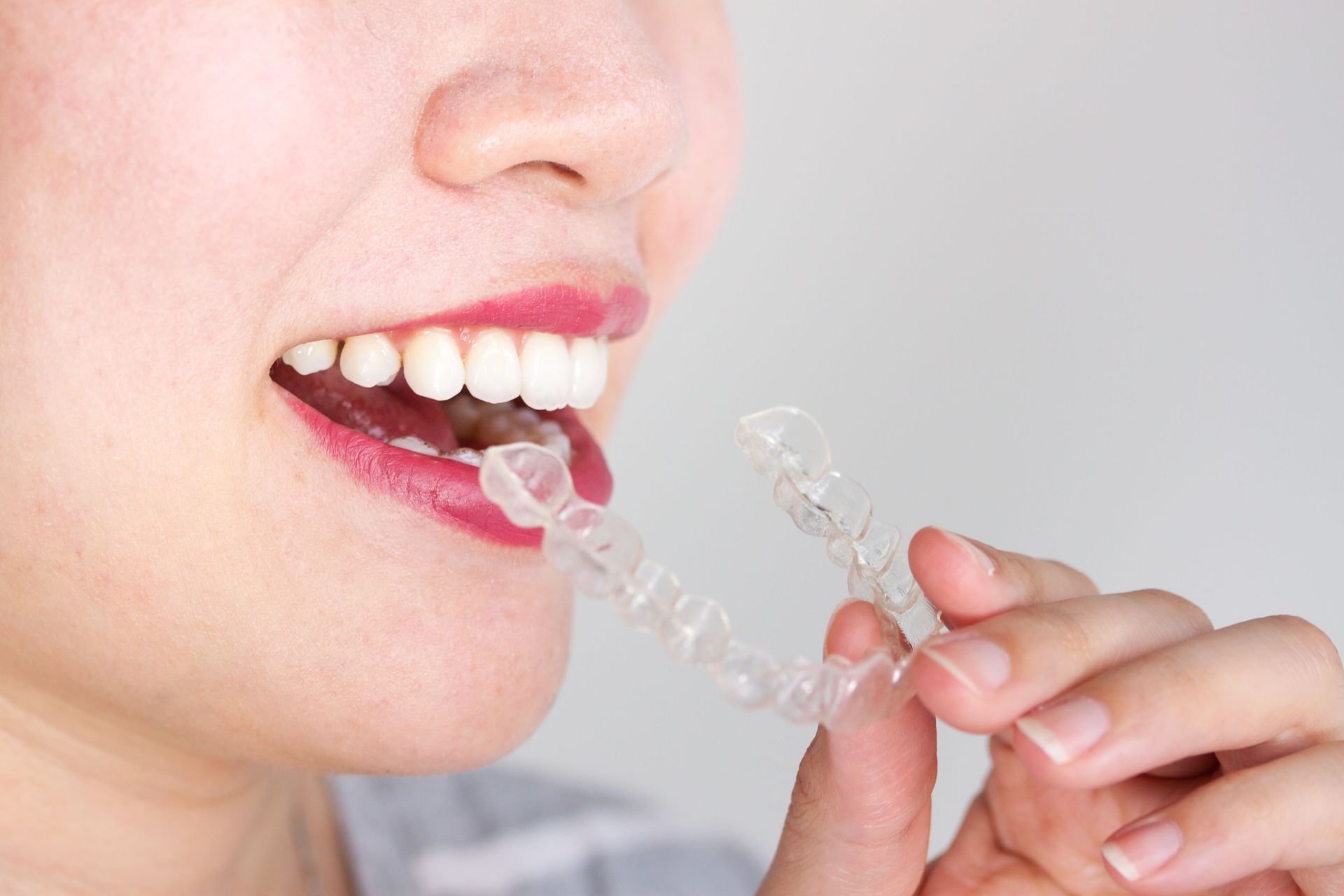
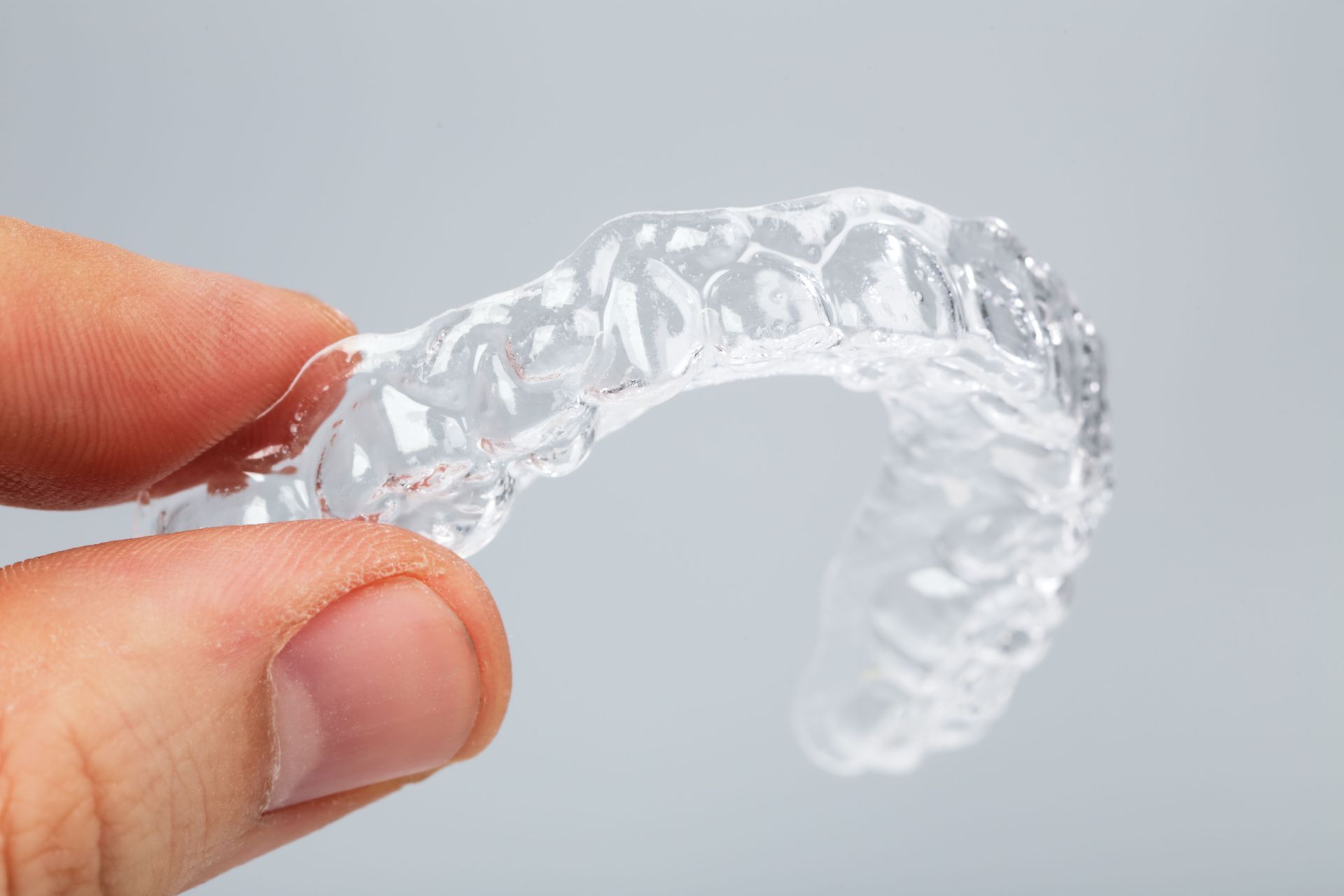
Clear aligners appeal to adults who prefer a less noticeable orthodontic appliance. These removable trays gradually guide teeth according to a planned sequence of movements. However, suitability depends on the patient's alignment concerns, oral health, and ability to follow treatment instructions consistently.
Considering Ceramic Braces
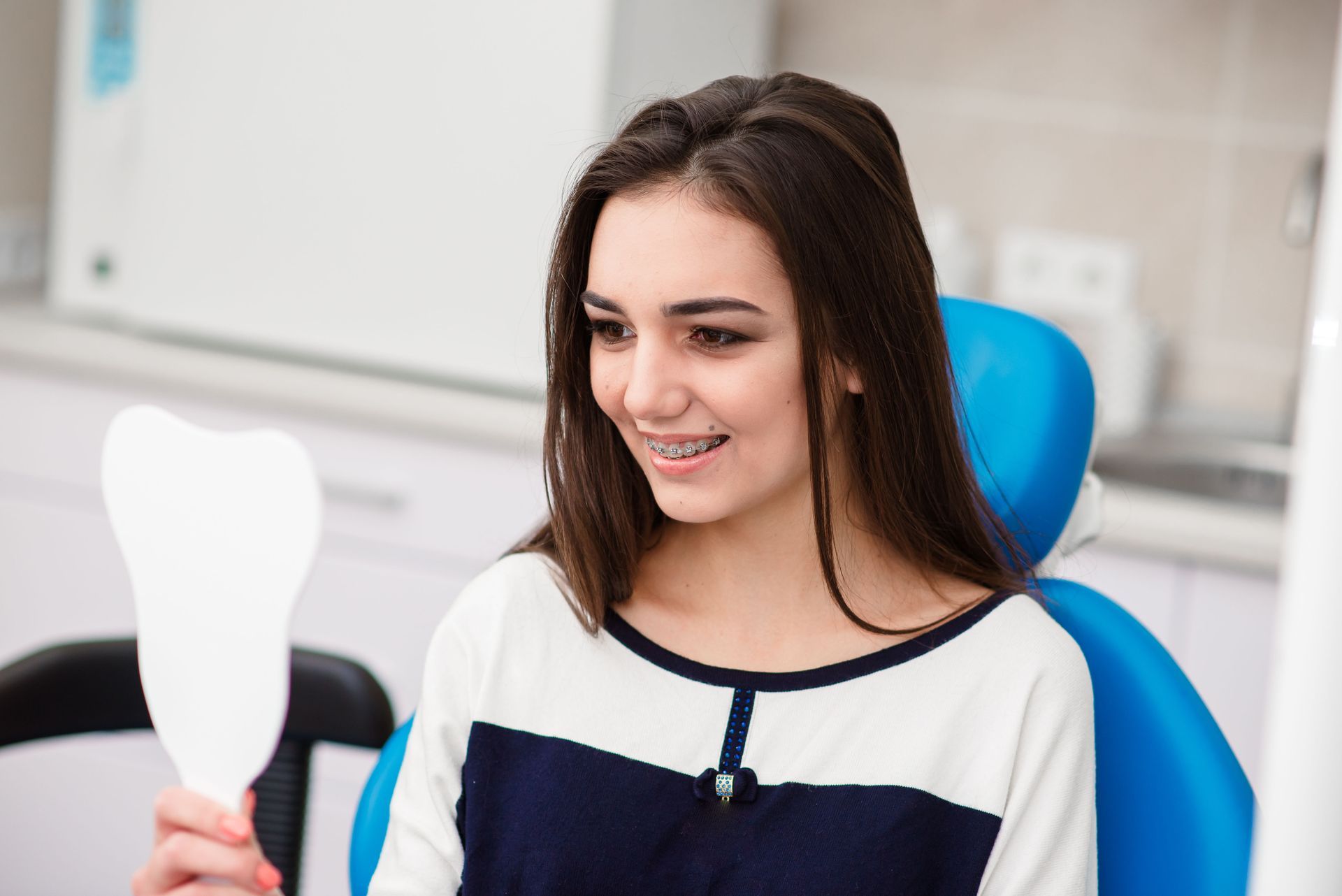
Ceramic braces use tooth-colored or clear brackets that can appear less noticeable than traditional metal brackets. They offer another possibility for patients interested in fixed appliances. Treatment recommendations depend on the complexity of the case and the orthodontist's clinical assessment.
Considering Modern Metal Braces
Traditional braces remain an effective option for many orthodontic concerns. Contemporary brackets and treatment techniques provide choices that may differ from what adults remember from childhood. Local orthodontists can explain why fixed appliances might be preferable for certain tooth movements.
Considering Individual Treatment Preferences
Visibility is only one factor when selecting orthodontic appliances. Patients also consider comfort, maintenance, eating habits, and appointment requirements. Comparing these practical details helps adults choose an approach that fits their preferences and clinical needs.
Accommodating Busy Adult Schedules
Balancing Treatment With Employment
Adults frequently manage demanding work schedules that make appointments challenging. Conveniently located practices can reduce travel demands and make regular visits easier to arrange. Understanding appointment frequency before beginning treatment helps patients plan around professional responsibilities.
Balancing Treatment With Family Responsibilities
Parents and caregivers often coordinate multiple schedules throughout the week. Choosing nearby orthodontic care can make treatment more manageable alongside school activities, household obligations, and family appointments. Accessibility becomes particularly valuable when ongoing adjustments or progress evaluations are necessary.
Balancing Treatment With Social Activities
Adults may wonder how orthodontic appliances will affect dining, travel, or important events. Local orthodontists can explain everyday considerations associated with different treatments, including appliance care and dietary restrictions. Knowing what to expect helps patients make informed decisions.
Balancing Treatment With Personal Routines
Successful orthodontic treatment requires consistent participation. Patients need to understand cleaning requirements, retainer use, and any appliance-specific instructions. Selecting an approach compatible with daily habits can make it easier to maintain the routines necessary for treatment progress.
Understanding More Personalized Treatment Planning
Reviewing Digital Imaging
Modern orthodontic evaluations may use digital scans, photographs, and radiographs to assess tooth positions and jaw relationships. These records help clinicians develop treatment plans and explain findings. Imaging requirements vary according to each patient's needs and clinical circumstances.
Reviewing Treatment Objectives
Not every adult seeks the same result. Some want to address a specific spacing concern, while others require broader bite correction. Local orthodontists help establish appropriate goals based on examination findings, patient preferences, and the limitations of available treatment options.
Reviewing Expected Treatment Duration
Adults often want to understand how long treatment may take before committing. Duration varies according to case complexity, appliance selection, and individual response. Discussing an estimated timeline helps patients prepare while recognizing that progress cannot be guaranteed.
Reviewing Financial Considerations
Cost is an important consideration for many adults. Practices may explain payment arrangements, insurance benefits, and the services included in a treatment estimate. Reviewing these details helps patients understand their financial responsibilities before proceeding.
Recognizing That Treatment Has No Universal Age Limit
Reconsidering Earlier Assumptions
Some adults believe orthodontic treatment is appropriate only during childhood. However, healthy teeth can often be moved at different ages. The suitability of treatment depends more on oral health, supporting tissues, and individual circumstances than on age alone.
Revisiting Previous Treatment Results
Adults who wore braces as teenagers may notice shifting years later. Retainer habits, natural changes, and other factors can influence alignment. Professional evaluation can determine whether additional treatment is appropriate and how future retention might be managed.
Recognizing Changing Personal Priorities
Financial circumstances, available time, and personal preferences evolve throughout adulthood. Treatment that once seemed impractical may become more accessible later. Local orthodontists can help patients revisit their options without assuming earlier decisions determine their future choices.
Recognizing the Importance of Retention
Orthodontic care continues beyond active tooth movement. Retainers help maintain the corrected positions, although teeth can still change over time. Understanding long-term retention requirements helps adults approach treatment with realistic expectations about ongoing responsibilities.
Growing adult interest in orthodontic care reflects changing priorities, expanded treatment choices, and greater awareness of oral health. Whether patients want to address crowding, improve bite alignment, or feel more comfortable smiling, individualized professional evaluation provides a useful starting point. Adults considering orthodontic treatment can contact Poole Orthodontics today to schedule a consultation, discuss available options, and explore a treatment plan suited to their goals and lifestyle.